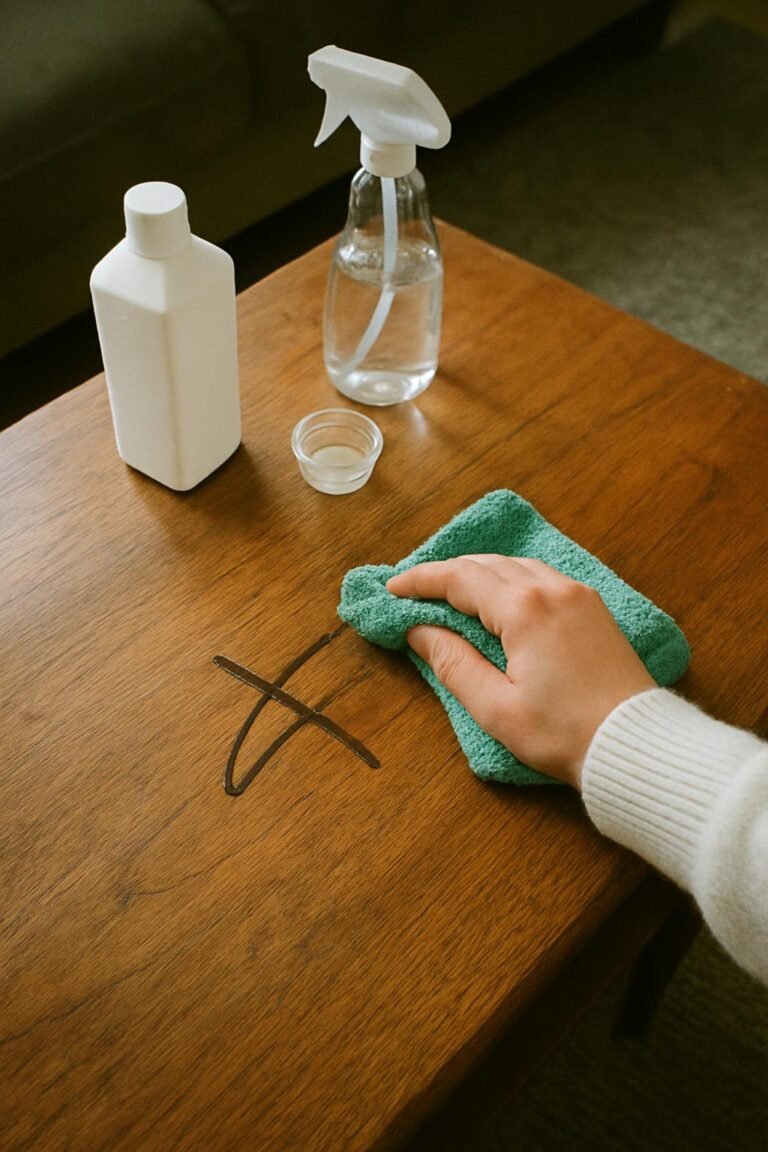
popular cleaning products
I once sprayed a popular all-purpose cleaner across a greasy stovetop, wiped immediately, and wondered why it left dull streaks everywhere. The problem was not necessarily the cleaner. I had used too much, given it no time to work, and paired it with a paper towel that pushed the residue around.
That experience sums up the trouble with many popular cleaning products: even a good formula performs poorly when it is used on the wrong surface or in the wrong amount. The most useful products are not always the strongest or most heavily scented. They are the ones that handle common messes predictably without creating extra cleanup.
Below is the practical cleaning kit and method I rely on for everyday kitchens, bathrooms, floors, upholstery, and general household grime.
⚡ The TidyFormula™ Quick Answer
The Fix: Choose a small set of surface-appropriate products—dish soap, an all-purpose cleaner, an enzyme formula, a disinfectant, and a gentle abrasive—then use the correct dose, dwell time, and cloth for each mess.
What You Actually Need
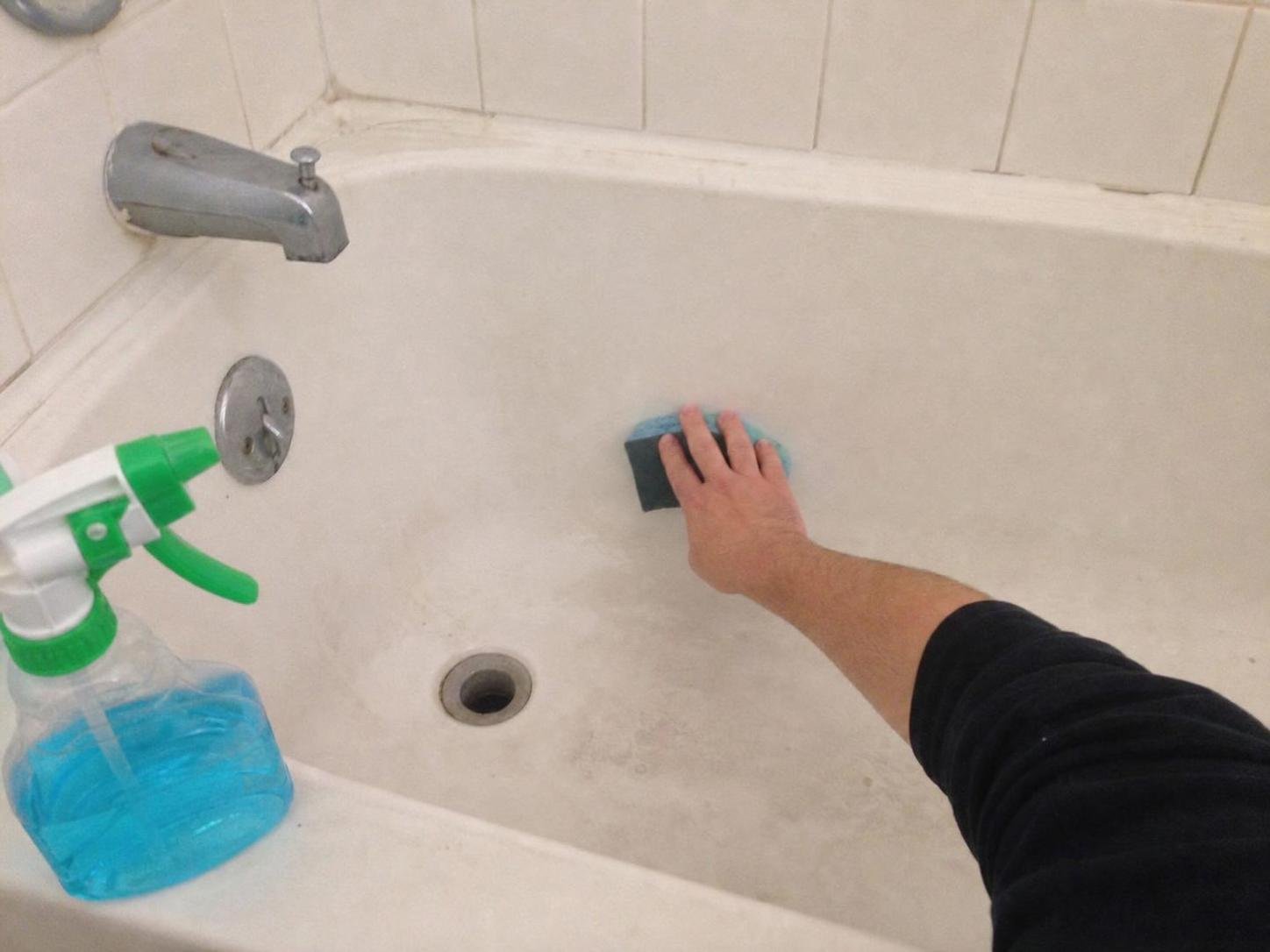
A useful cleaning cabinet does not need twelve sprays that perform roughly the same job. I would rather keep a short, dependable kit and know exactly when each item should come out.
What I Use For This Job
Using the right tools saves time and protects your belongings. Here are my exact recommendations:
*As an Amazon Associate, TidyFormula earns from qualifying purchases.
- Microfiber cloth: Use separate cloths for kitchens, bathrooms, glass, and dusty areas. They collect soil better than paper towels and can be folded to provide several clean wiping surfaces.
- Mild dish soap: A few drops in warm water can handle greasy cabinets, sealed counters, appliance exteriors, and many washable household surfaces.
- General-purpose cleaner: Choose one labeled for the surfaces found throughout your home. Check whether rinsing is required.
- Enzyme cleaner: Useful for organic messes such as food spills, pet accidents, and lingering odors on compatible washable materials.
- Disinfectant: Reserve it for situations and surfaces that genuinely call for disinfection rather than using it as an everyday dusting spray.
- Baking soda: Helpful as a gentle scouring powder and odor absorber, though it still needs to be tested on delicate finishes.
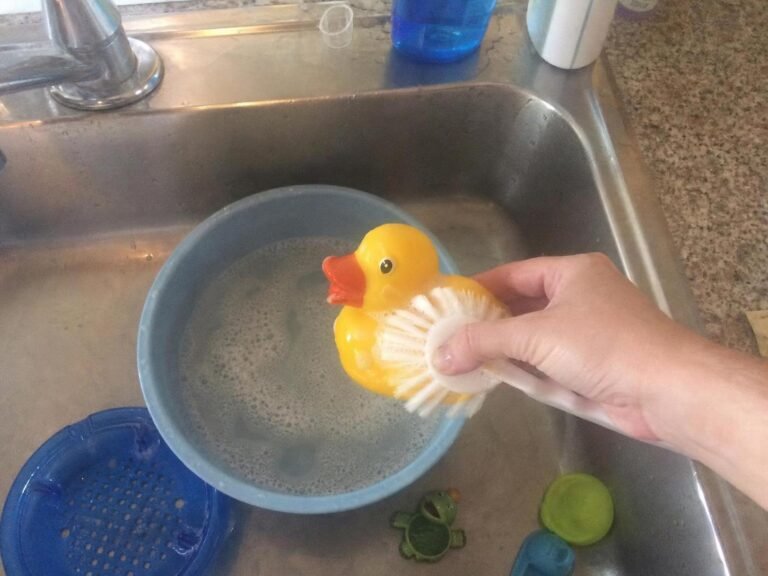
- Soft-bristled brush: A small brush reaches grout lines, textured surfaces, faucet bases, and other awkward edges.
- Spray bottle or cleaning bucket: Use these only for clearly labeled mixtures. Never store a homemade solution in an unmarked container.
- Protective household gloves: Particularly useful during bathroom cleaning or when product labels recommend them.
Avoid steel wool, highly abrasive powders, and rough scrub pads unless the surface manufacturer specifically allows them. They can leave permanent scratches on stainless steel, acrylic tubs, glossy cabinets, and coated sinks. I also avoid buying a product simply because its fragrance seems “clean” (a nice smell is not proof that soil has been removed).
Never combine cleaning chemicals. In particular, do not mix bleach with ammonia, acids, vinegar, or other cleaners. The CDC guidance for household cleaning and disinfection also recommends following label directions and providing ventilation when using disinfectants.
A Practical Method for Using Household Cleaners
1. Match the product to the mess
Identify the soil. Loose dust needs dry removal first. Grease usually responds to soap or a degreasing cleaner. Mineral deposits may need a surface-safe acidic product. Food and pet residues often respond well to an enzyme formula.
Identify the surface. Sealed stone, natural stone, wood, laminate, stainless steel, glass, upholstery, and painted surfaces have different limits. Read both the cleaner label and, when available, the surface care instructions.
Choose the gentlest reasonable option. Start with water and a small amount of dish soap for ordinary soil. Move to a specialized product only when the basic method is not enough.
This is why my favorite cleaning products tend to be versatile but not aggressively formulated. A cleaner that works safely on five common surfaces is more useful to me than a harsh specialty bottle I reach for twice a year.
2. Test a hidden area
Apply a tiny amount to an inconspicuous spot using a white cloth.
Wait for the label’s recommended time, then wipe or rinse as directed.
Check the area after it dries. Stop if you see color transfer, cloudiness, tackiness, softening, or a change in sheen.
Do not judge a test while the surface is still wet. Water can temporarily darken fabric, grout, unsealed wood, and stone, making harmless moisture look like permanent damage.
3. Remove loose debris first
Vacuum crumbs, hair, grit, and dry dust before introducing liquid.
Work from high areas to low ones so falling debris does not land on a freshly cleaned surface.
Use a dry cloth around electronics, switches, seams, and unfinished wood unless the manufacturer permits damp cleaning.
This small step prevents muddy smears. It also keeps grit from being dragged across glossy finishes.
4. Apply less product than you think
Follow the label dose. If no exact quantity is given, begin with a light, even application rather than soaking the area.
For vertical surfaces or electronics-adjacent areas, apply cleaner to the cloth instead of spraying the surface directly.
Let the product sit for the stated dwell time. For ordinary cleaners, this may simply mean giving the formula a short moment to loosen grime. For disinfectants, the surface must generally remain wet for the label’s specified contact time.
If cleaner runs into seams, leaves heavy foam, or takes repeated passes to remove, you probably applied too much. Reduce the dose before adding another product.
5. Wipe methodically
Fold a cloth into quarters to create multiple clean sides.
Wipe in overlapping passes, moving from the cleaner part of the surface toward the dirtier part.
Turn the cloth as soon as one side looks soiled. Continuing with a dirty cloth simply redistributes residue.
Use a soft brush for textured areas, but stop if the finish begins to look dull or scratched.
I learned the cloth-turning lesson after repeatedly “cleaning” a glass table with the same damp section. Every pass created another streak. A fresh, barely damp cloth solved what extra spray had made worse.
6. Rinse or buff when required
Read the label to determine whether the surface needs a clean-water rinse.
Wipe food-contact areas carefully, following the product instructions rather than assuming every spray can remain on the surface.
Buff glossy finishes with a clean, dry cloth if you see haze after drying.
Persistent stickiness is usually residue, not stubborn dirt. Try a clean damp cloth before applying another layer of cleaner.
🧪 Why This Works
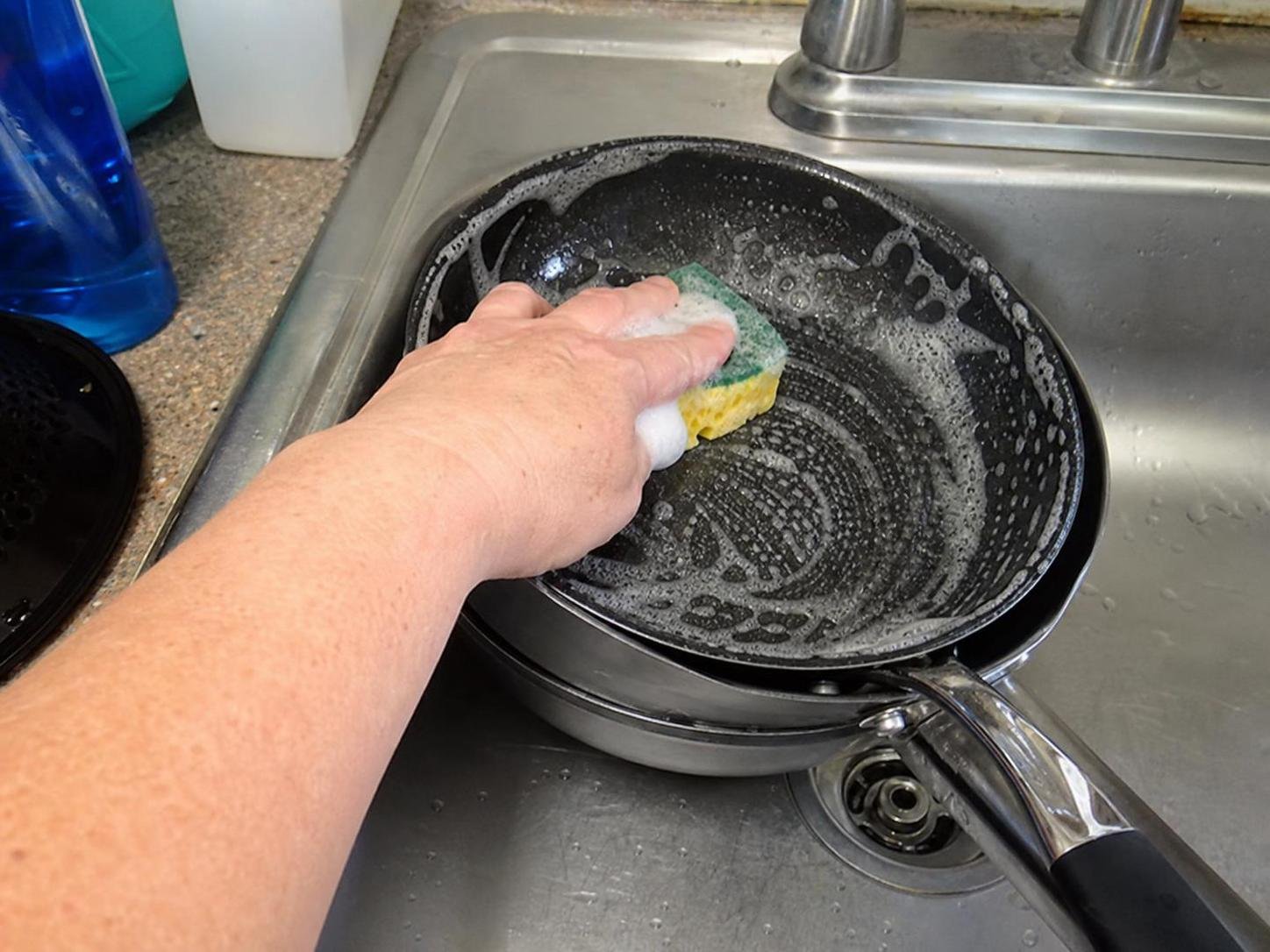
Cleaning is a little like washing a greasy dinner plate. Water removes loose crumbs, soap loosens grease, gentle rubbing lifts what remains, and rinsing carries the dirty solution away. Using more soap does not automatically produce a cleaner plate; it often creates more residue. Household surfaces behave much the same way, so product choice, time, and controlled wiping matter more than aggressive scrubbing.
Which Product Fits Which Job?
| Product type | Best used for | Main caution |
|---|---|---|
| Diluted dish soap | Everyday grease, sealed counters, cabinet fronts, and washable appliance exteriors | Too much soap leaves a cloudy or sticky film |
| General-purpose cleaner | Routine soil on surfaces specifically listed on the label | Not every formula is safe for stone, unfinished wood, or screens |
| Enzyme formula | Food residue, pet messes, and odor-producing organic material | Needs adequate contact time and may not suit every fabric or sealed surface |
| Disinfecting product | Compatible high-touch surfaces when disinfection is appropriate | Must be used exactly as labeled, including contact time and ventilation |
| Baking soda paste | Light scouring on durable, compatible surfaces | Can affect polished, glossy, soft, or easily scratched finishes |
| Acidic mineral-deposit cleaner | Hard-water residue on compatible bathroom fixtures | Avoid on acid-sensitive materials such as many natural stones |
Common Product Mistakes
Buying several cleaners for the same job
Popular cleaning products often overlap. Three all-purpose sprays may create clutter without improving the result. Finish one suitable product before buying another unless you have a specific surface or soil that requires a different formula.
Assuming “natural” means safe for every surface
Vinegar can help with certain mineral deposits, but its acidity makes it a poor choice for many natural stone surfaces and some finishes. Baking soda is gentle compared with many scouring powders, yet it is still abrasive. Product origin does not replace a spot test.
Spraying and wiping immediately
Many cleaners need time to loosen residue. Disinfectants may require a specific wet contact time. Wiping too soon can make an otherwise suitable product seem ineffective.
Using too much
Extra cleaner can leave floors tacky, glass streaky, and counters hazy. It may also require several clean-water passes to remove. Start small; add more only if the label and the condition of the surface support it.
Mixing formulas
Layering products can cause unexpected reactions, fumes, surface damage, or stubborn residue. If the first cleaner fails, remove it fully according to its label, ventilate the area, and wait before trying a different method.
Ignoring the cloth
A heavily soiled cloth cannot keep picking up grime. Change or rinse cloths during the job, especially when moving between rooms. Keep bathroom cloths separate from kitchen cloths.
Drying, Residue Checks, and Storage
Allow damp surfaces to air-dry with reasonable ventilation unless the care instructions call for immediate buffing. Upholstery and carpet should feel completely dry before furniture, cushions, or rugs are returned. If a fabric remains very wet, smells stronger as it dries, or develops a ring, stop adding product and improve airflow.
Check glossy surfaces from an angle after they dry. Haze, streaks, or tackiness indicate that residue remains. Wipe once with a clean, lightly dampened cloth, then dry with a second cloth. Do not keep polishing with the same product-soaked rag.
Wash reusable cloths after use and let them dry fully before storing. Keep cleaners in their original labeled containers, upright, with caps secured. Store them away from heat, direct sunlight, food, children, and pets, following any specific label directions. Never pour leftover cleaner into a beverage bottle or an unlabeled spray bottle.
A Pro Tip From Real Testing
Assign each reusable spray a short trial period rather than judging it after one rushed cleaning session. I test a product on three representative messes—a greasy mark, dried food residue, and ordinary surface grime—using the label directions and fresh cloths. If it repeatedly needs excessive scrubbing or leaves residue after the correct dose, it does not earn permanent space in my cleaning cabinet.
Frequently Asked Questions
What are the most useful popular cleaning products to keep at home?
For most homes, a small kit is enough: dish soap, a compatible general-purpose cleaner, an enzyme formula, a disinfectant for appropriate situations, and a gentle scouring option. Add specialty products only for materials or recurring messes that genuinely need them.
Do I need a separate cleaner for every room?
No. Many washable surfaces can share the same general cleaner if the label lists them as compatible. Bathrooms may need a mineral-deposit product, while upholstery, stone, wood, and specialty flooring often require more specific care.
Are favorite cleaning products always the best-performing ones?
Not necessarily. Fragrance, packaging, social popularity, and convenience can influence preference. Judge a product by surface compatibility, label clarity, residue, required effort, and how consistently it handles your actual household messes.
Can I use dish soap as an all-purpose cleaner?
A small amount in water works well for many washable, sealed surfaces, especially where grease is the main problem. It is not a substitute for every specialty cleaner or disinfectant, and excess soap must be rinsed away.
How do I know when a cleaning product is damaging a surface?
Stop if you notice color transfer, dullness, cloudiness, peeling, softening, swelling, new scratches, or a change in texture. Remove the product as directed, avoid further scrubbing, and check the surface manufacturer’s care guidance.
The best collection of popular cleaning products is usually a small one chosen around your surfaces and recurring messes. Use a light dose, give the formula the required time, and check the dry result before repeating the process. One final reminder: labels outrank household shortcuts, especially when products contain bleach or make disinfection claims.
Everything Mentioned Above
Before you leave, grab the tools you need to get the job done right the first time:
*As an Amazon Associate, TidyFormula earns from qualifying purchases.