
mold in refrigerator: how to clean and prevent mold growth
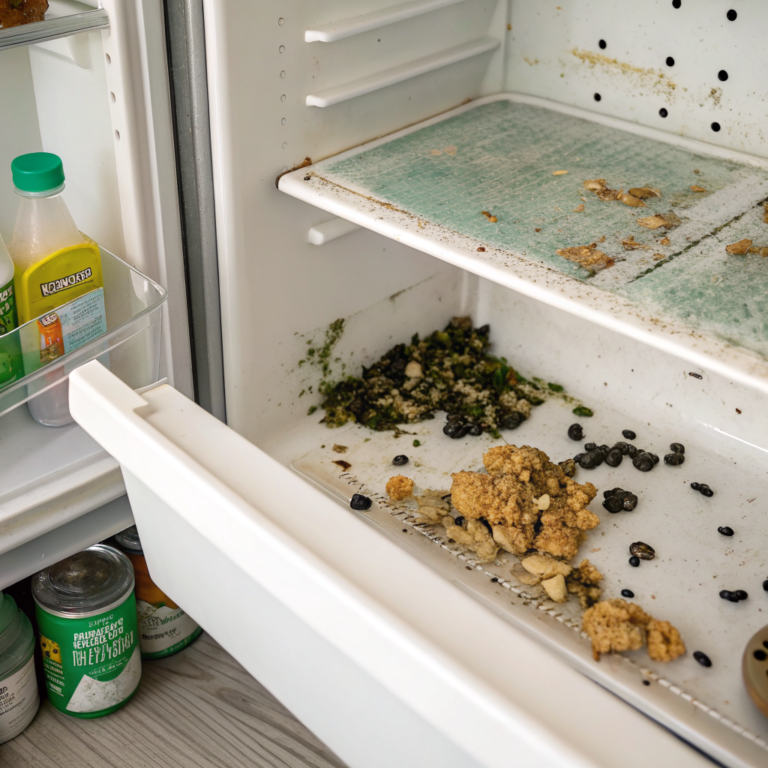
Mold in a refrigerator usually shows up as dark green, black, or fuzzy gray spots on shelves, drawers, door seals, or forgotten food containers, caused by trapped moisture and organic residue in a cold, enclosed space. Clearing it out means unplugging the unit, removing anything affected, and washing every surface with a mild detergent solution before drying the interior completely. Also consider cleaning the condenser coils occasionally, since dirty coils can make the appliance run warmer and increase condensation — see how to clean refrigerator coils.
The TidyFormula Quick Decision
Best approach: Unplug the refrigerator, remove all food and removable parts, and wash shelves, bins, and interior walls with warm water and a mild dish soap or baking soda solution using a soft cloth or sponge.
Use caution with: Rubber door gaskets and their folds, cracked or aging plastic bins, control panels and lighting elements, and any bleach-based product used near stainless steel or in an enclosed space.
Stop and reassess if: Mold returns within days of cleaning, you notice mold behind interior panels or near the compressor, or anyone in the household has ongoing respiratory sensitivity — check the appliance manual or contact a professional in that case.
What I Use For This Job
Using the right tools saves time and protects your belongings. Here are my exact recommendations:
*As an Amazon Associate, TidyFormula earns from qualifying purchases.
What Causes Mold to Grow in a Refrigerator
Mold generally grows in a refrigerator when moisture, food residue, and low air circulation combine, even though the space stays cold. Spills that go unnoticed, expired food, condensation around vents, and clogged drain holes can all create the damp organic conditions mold prefers.
Door seals are a common trouble spot because they trap moisture in their folds every time the door closes. Crisper drawers and the areas underneath them also tend to collect spilled liquid that goes unnoticed until spots appear. A simple fridge organization and cleaning checklist helps you spot spills and rotate food before mold has a chance to grow.
How to Clean Mold Out of a Refrigerator
Cleaning mold out of a refrigerator works best as a full reset rather than a quick wipe. Unplugging the unit first removes the risk of water reaching electrical components while you clean.
- Unplug the refrigerator and remove all food, checking for anything spoiled, leaking, or visibly moldy.
- Discard any food or packaging that shows mold growth rather than trying to clean around it.
- Take out shelves, bins, and drawers and wash them in warm water with a mild dish soap or a baking soda and water solution.
- Wipe interior walls, corners, and vents with a soft cloth dampened in the same mild solution, rinsing the cloth often.
- Dry every surface thoroughly with a clean towel before plugging the unit back in and restocking food.
Spot test any new cleaning product on a small hidden interior area first, since some interior plastics and finishes can discolor with stronger cleaners.
If your refrigerator includes an ice maker, follow the manufacturer’s guidance for that component — our article on how to clean an ice maker safely explains safe steps for removable parts and internal surfaces.
Cleaning Mold From Door Seals and Gaskets
Door gaskets often need extra attention because mold tends to settle into the folds where moisture collects. A soft cloth or a soft-bristled brush, such as an old toothbrush, can reach into those folds without damaging the rubber.
Wipe the gasket with a mild soap and water solution, working into the folds gently rather than pressing hard, then dry the area completely. Avoid pulling or stretching the gasket, since a damaged seal can affect how well the door closes.
What to Avoid When Cleaning Mold From a Refrigerator
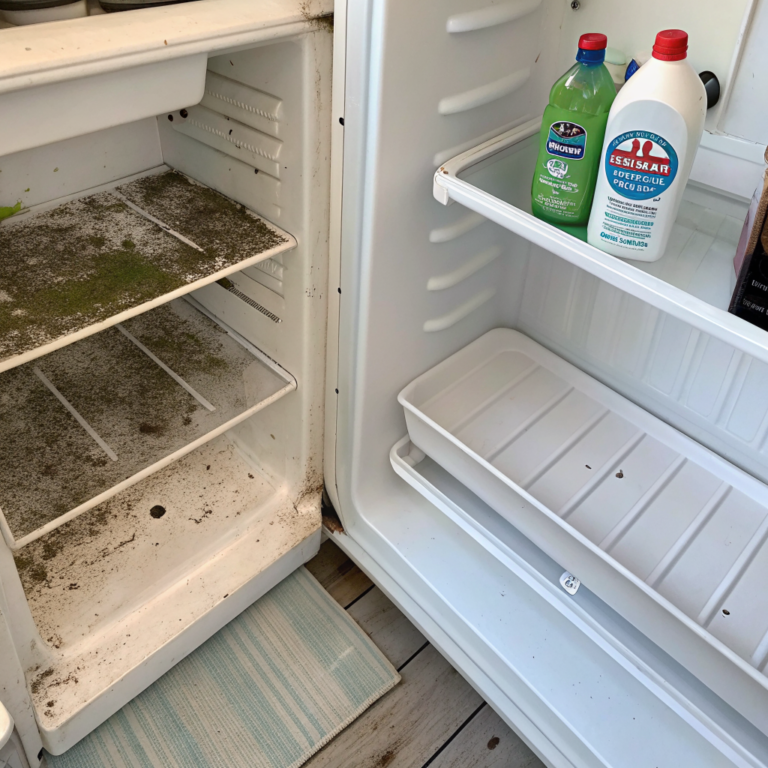
Some common shortcuts can make the problem worse or introduce new risks. Cleaning agents that should not be combined must not be combined — do not mix bleach and ammonia, and avoid layering different cleaning products on the same surface without rinsing between them.
- Avoid abrasive scrubbers or scouring pads on plastic shelves and bins, since they can scratch the surface and give mold more texture to grip.
- Avoid leaving cleaned surfaces damp, since residual moisture can allow spots to return quickly.
- Avoid using strong chemical cleaners on food-contact surfaces without a thorough rinse afterward.
- Avoid ignoring the drain hole or drip pan, which can hold standing moisture out of sight.
If mold has spread into insulation, behind interior panels, or around the compressor area, that goes beyond routine cleaning and is worth reviewing in the appliance manual or with a repair professional. For similar hidden moisture problems in cabinets and enclosed spaces, see how to clean mold under the kitchen sink.
Preventing Mold From Coming Back
Keeping the refrigerator dry and checking it on a routine basis does more to prevent mold than any single deep clean. Wiping up spills right away, checking expiration dates regularly, and leaving a little space between food items for air circulation all help reduce the conditions mold needs.
Building a general home cleaning routine, such as the one outlined in TidyFormula’s cleaning chores checklist, can help you catch small spills and buildup before they turn into a bigger cleaning job.
If you’re preparing to move and want to make sure the refrigerator and every other room gets proper attention beforehand, a room-by-room approach like the move-out cleaning checklist by room can help you plan that process.
If odors linger from strong foods like onion, follow our guide to remove onion smell from a refrigerator after cleaning and drying the interior.
TidyFormula Tip
An open box of baking soda placed toward the back of a shelf can help absorb odors between cleanings, but it is not a substitute for wiping up spills.
For other odor-control tips around the kitchen, including how to deodorize a kitchen trash can, check our odor-removal guides.
Frequently Asked Questions
Can moldy food containers be reused after cleaning?
Plastic containers with visible mold growth are often safer to discard, since mold can settle into small scratches or seams that are hard to fully clean. Glass or hard plastic without scratches can usually be washed thoroughly and reused if no residue remains.
Is bleach safe to use inside a refrigerator?
Diluted bleach solutions are sometimes used on hard, non-porous surfaces, but check your appliance manual first, since some interior finishes and gaskets can be affected by bleach over time. Always rinse thoroughly afterward and never combine bleach with ammonia or other cleaning products.
How often should a refrigerator be cleaned to prevent mold?
Wiping spills immediately and doing a fuller interior clean every few weeks is a reasonable routine for most households, though busier kitchens may benefit from more frequent checks. Regularly checking expiration dates also helps limit the organic matter mold needs to grow.
What if mold keeps coming back after cleaning?
Recurring mold usually points to ongoing moisture, a clogged drain hole, or a door seal that isn’t closing fully. If cleaning and drying the interior thoroughly doesn’t stop it from returning, checking the door gasket and drain system, or contacting a repair professional, is a reasonable next step.
Can mold in a refrigerator affect food safety?
Mold growth near food is a health question best directed to a food safety resource or medical professional if you have specific concerns. From a cleaning standpoint, discarding affected food and thoroughly washing surrounding surfaces reduces the amount of mold present in the space.
Everything Mentioned Above
Before you leave, grab the tools you need to get the job done right the first time:
*As an Amazon Associate, TidyFormula earns from qualifying purchases.