
How to Remove Candle Wax From Fabric Quickly and Safely
The fastest way to get candle wax off fabric is to harden it fully with ice, scrape off the excess, then melt the remaining residue into paper towels using a warm iron or hair dryer. Most wax lifts out this way without soaking or scrubbing, though the exact approach depends on the fabric and whether the wax was dyed.
The TidyFormula Quick Decision
Best approach: Freeze or ice the wax until brittle, scrape off the excess with a dull edge, then use a warm iron over paper towels or a paper bag to draw out the remaining wax.
Use caution with: Silk, wool, velvet, suede, delicate synthetics, and any wax that contains dye, since heat and scraping can affect the fibers or set the color into the fabric.
Stop and reassess if: The fabric shows a colored stain after the wax is removed, the material starts to shine, flatten, or feel stiff under heat, or the care label prohibits ironing or heat exposure.
What I Use For This Job
Using the right tools saves time and protects your belongings. Here are my exact recommendations:
*As an Amazon Associate, TidyFormula earns from qualifying purchases.
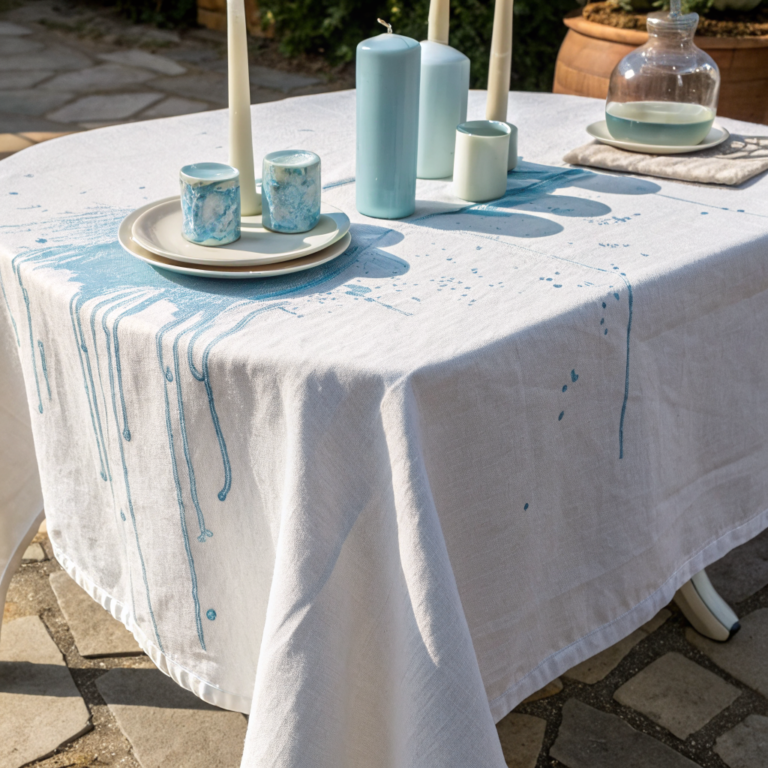
Candle wax feels tricky mainly because people reach for heat or water before the wax has fully hardened. Once it is cold and brittle, most of it comes away on its own, and the leftover residue responds well to a gentle heat-and-absorb method rather than any harsh scrubbing.
How to Get Candle Wax Off Fabric Safely
The safest general method combines cold hardening, gentle scraping, and controlled heat to melt the last bit of wax into an absorbent material. This order matters because working the wax while it is soft usually pushes it deeper into the weave.
- Let the wax cool completely, then place an ice cube in a plastic bag on top of it for a few minutes until it feels hard and brittle.
- Gently scrape the hardened wax off the surface using a dull edge, such as the back of a spoon or a plastic scraper. Work from the outer edge of the wax toward the center to avoid spreading it.
- Place a folded paper towel or a section of a plain paper bag over the remaining wax residue, and another layer underneath the fabric if possible.
- Set an iron to a low or medium setting appropriate for the fabric and press it briefly over the paper, checking often. The paper should absorb the melted wax as it warms.
- Move to a clean section of paper each time the wax transfers, and repeat until no more wax appears on the paper.
If a faint mark remains after the wax itself is gone, that is usually leftover dye or oil from the candle rather than wax, and it often needs a specialized oil- or dye-stain treatment for upholstery.
What if the Fabric Cannot Handle Heat?
Delicate fabrics like silk, wool, velvet, and some synthetics can be damaged by direct iron contact, so a no-heat approach is often the better starting point. Freezing and scraping still work well on these materials, since that part of the process does not involve heat at all.
For the residue that remains after scraping, a soft brush can help loosen dried flakes without pressing them further into the weave. If the care label allows dry cleaning or a gentle solvent-based spot cleaner, that route is often safer than ironing for napped or pile fabrics such as velvet or suede-like materials, since heat can flatten or shine the surface permanently. For practical, small-scale guidance on working with delicate upholstery at home, see How to Clean a Fabric Recliner.
When in doubt about a specific delicate fabric, a professional cleaner familiar with that material can usually remove residual wax without risking the nap or sheen.
Removing Colored Wax Stains That Remain
A colored stain left behind after the wax is gone usually comes from dye in the candle rather than the wax itself, and it typically needs treatment as a dye stain, not a wax stain. Trying to melt it out further with more heat can sometimes set the color deeper instead of lifting it.
Once all visible wax has been removed, treat the remaining mark with a stain remover suited to the fabric type, following the product label for dwell time and rinsing. Always check the care label first, and test any stain treatment on a hidden area of the fabric to see how it responds before applying it to the visible stain.
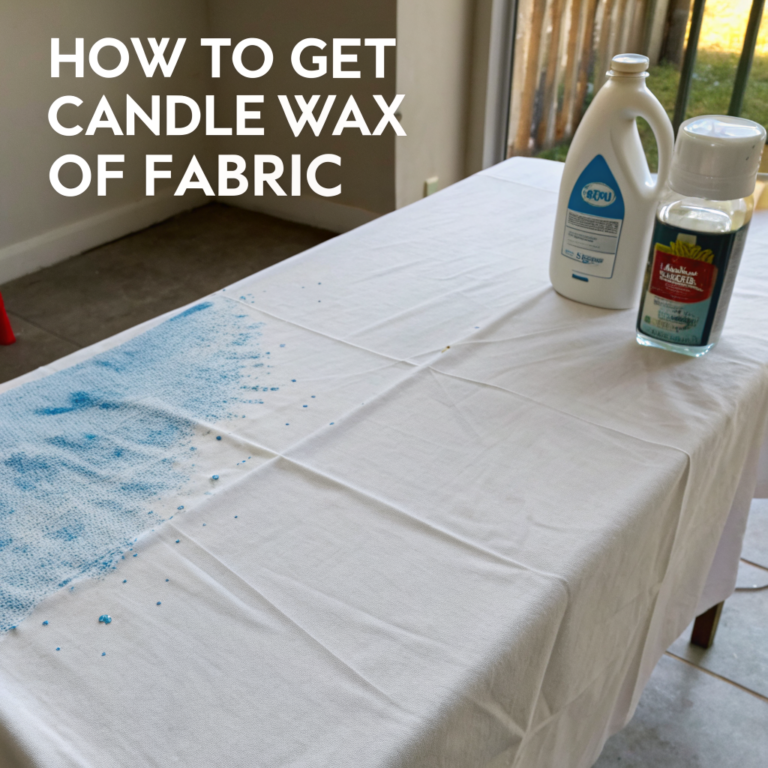
Washing and Drying After Wax Removal
Wash the item according to its care label once the wax and any residue treatment are finished, using the warmest water setting the fabric allows. Warm water can help clear any faint traces of wax that remain in the fibers, while a cooler wash may be necessary for delicate or dye-sensitive fabrics.
Air-dry the item if possible and inspect it before using a dryer. Running fabric through a hot dryer while any wax residue is still present can re-melt it and drive it further into the fibers or transfer it onto other items in the load. If odors persist after cleaning, our guide to removing odors from couch cushions covers techniques for trapped smells in upholstery that are also useful for heavy fabrics.
What to Avoid
- Do not scrub or pick at fresh, soft wax, since this usually spreads it into a larger area of the fabric.
- Do not pour hot water directly on the wax, since this can melt it into the weave rather than lifting it out.
- Do not put wax-covered fabric directly in a hot dryer before the wax is fully removed.
- Do not use a high iron setting on fabrics that the care label marks as heat-sensitive.
- Do not combine multiple stain-removal products at once. Cleaning agents that should not be combined must not be combined, and layering different chemical stain removers can create an unsafe reaction rather than a stronger result.
TidyFormula Tip
Keep replacing the paper under and over the wax spot with clean sections, since reused paper can redeposit melted wax back onto the fabric.
For other wax-adjacent household issues, such as musty odors that linger in fabric-heavy spaces, see How to Remove Mildew Smell from a Basement. If wax drips ever land near electronics or vents while candles burn nearby, a related cleaning task is covered in How to Clean a Fan Without Taking It Apart: The Lazy Pro Guide. If soot or smoke affect nearby walls after burning, see How to Remove Candle Soot from Walls.
Frequently Asked Questions
Can I use a hair dryer instead of an iron?
Yes, a hair dryer on a low or medium heat setting can melt wax into paper towels in the same way an iron does, and it often gives more control on curved or bulky fabric areas. Hold it a short distance away and check the fabric often to avoid overheating delicate materials.
Does boiling water remove candle wax from fabric?
Pouring boiling water over wax can sometimes work on sturdy, colorfast fabrics by melting the wax so it rinses away, but it also risks driving wax deeper into the weave or affecting heat-sensitive fibers. The freeze-and-scrape method is generally the safer first step.
What if wax gets on carpet or upholstery instead of clothing?
The same freeze, scrape, and heat-absorb approach generally applies, though carpet and upholstery often need extra care around padding and backing materials that heat differently than clothing fabric. For step-by-step advice about working safely with upholstered pieces, see How to Clean a Fabric Bed Frame, which includes tips that transfer to upholstery and removable cushions.
Why does a stain remain after all the wax is gone?
A lingering mark usually comes from dye or fragrance oil in the candle rather than the wax itself. Treating it with a fabric-appropriate stain remover, after confirming the care label allows it, typically clears it more effectively than additional heat.
Is it safe to put wax-stained clothing in the washing machine right away?
It is usually better to remove as much wax as possible by hand first, since machine washing alone often will not fully clear solid wax and can spread residue onto other items. Once the visible wax is gone, washing according to the care label is generally fine.
Everything Mentioned Above
Before you leave, grab the tools you need to get the job done right the first time:
*As an Amazon Associate, TidyFormula earns from qualifying purchases.