Homemade Cleaning Solutions That Are Actually Safe
The safest homemade cleaning solutions are the simple ones: a few drops of dish soap in warm water for most surfaces, diluted white vinegar for glass and non-porous surfaces, a baking soda paste for scrubbing, and 70% isopropyl alcohol for quick-drying jobs. Mix small batches, never combine bleach with anything, and spot-test first.
Here’s the frustrating part. Most “natural cleaner” recipes floating around online either don’t work, or they quietly eat the finish off your countertop. I know how annoying it is to mix up a spray bottle, scrub for ten minutes, and end up with streaks and a dull patch. So let’s separate the mixes that actually earn a spot under your sink from the ones that just look good in a photo.
⚡ The TidyFormula™ Quick Decision
Best approach: Keep three single-purpose mixes on hand — dish soap and warm water for general cleaning, 1:1 white vinegar and water for glass and non-porous surfaces, and a thick baking soda paste for stuck-on grime.
Use caution with: Vinegar on natural stone, unsealed grout, waxed or oiled wood, and cast iron; and never mix any homemade solution with bleach or ammonia-based products.
Replace instead of cleaning if: A porous item still smells after two full cleaning attempts and full drying, or the surface finish is already lifting, hazing, or flaking.
What I Use For This Job
Using the right tools saves time and protects your belongings. Here are my exact recommendations:
*As an Amazon Associate, TidyFormula earns from qualifying purchases.
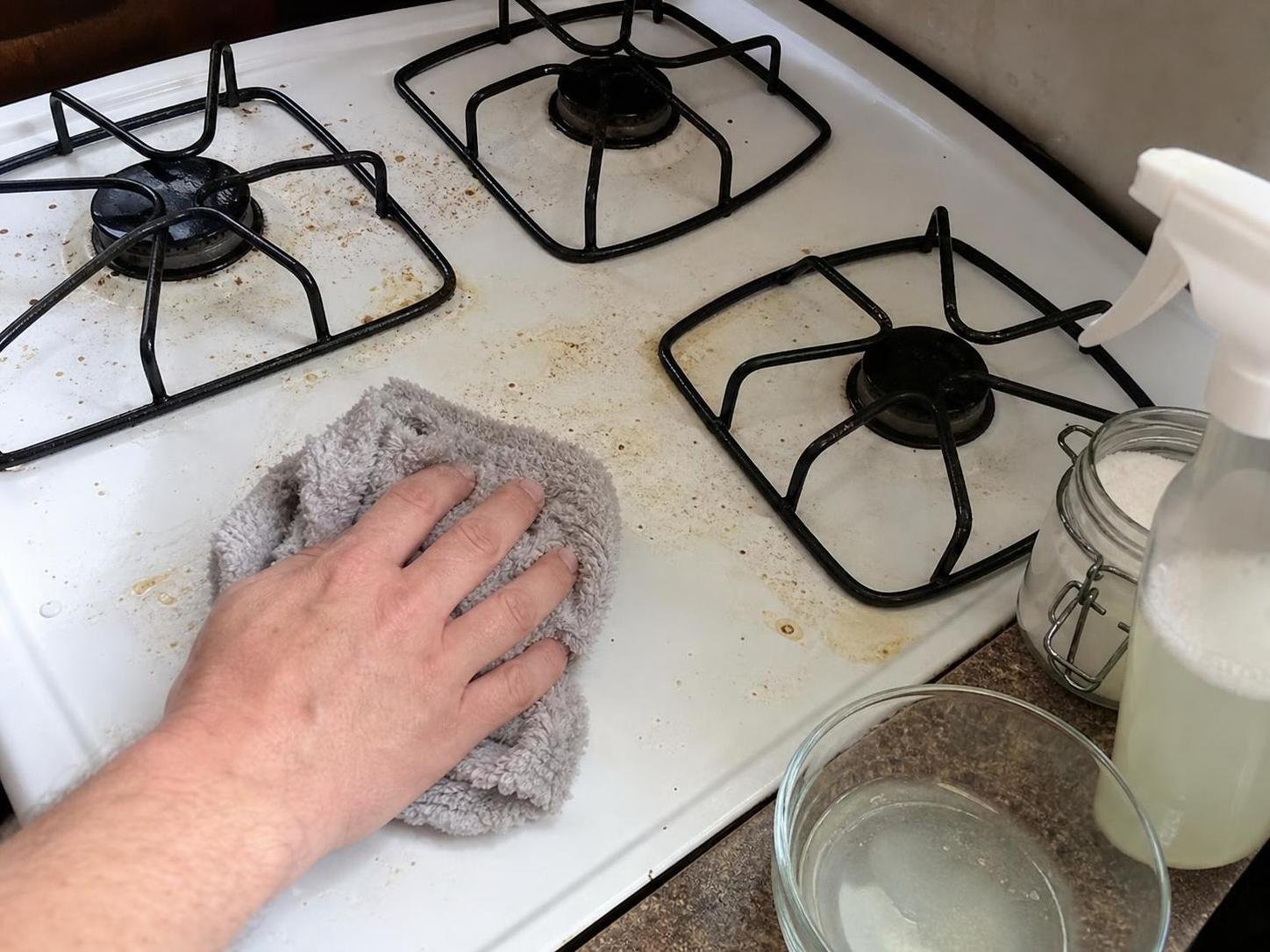
The four base ingredients worth keeping (and what each is good at)
You don’t need a pantry apothecary. Four ingredients cover almost everything a normal household throws at you.
Dish soap and warm water
This is the most underrated cleaner in your kitchen. Dish soap is a surfactant, which means it lifts oils and food residue so you can wipe them away. It’s gentle enough for painted walls, sealed counters, appliance exteriors, plastic toys, and most upholstery when used sparingly. If you only make one homemade solution, make this one: one-quarter teaspoon of dish soap in two cups of warm water.
White vinegar (diluted)
Distilled white vinegar is mildly acidic, which makes it useful on hard water spots, soap film, and glass. Dilute it 1:1 with water. Straight vinegar isn’t stronger in a helpful way — it just increases the risk of damage and smells worse. Skip it entirely on stone and anything with a wax or oil finish.
Baking soda
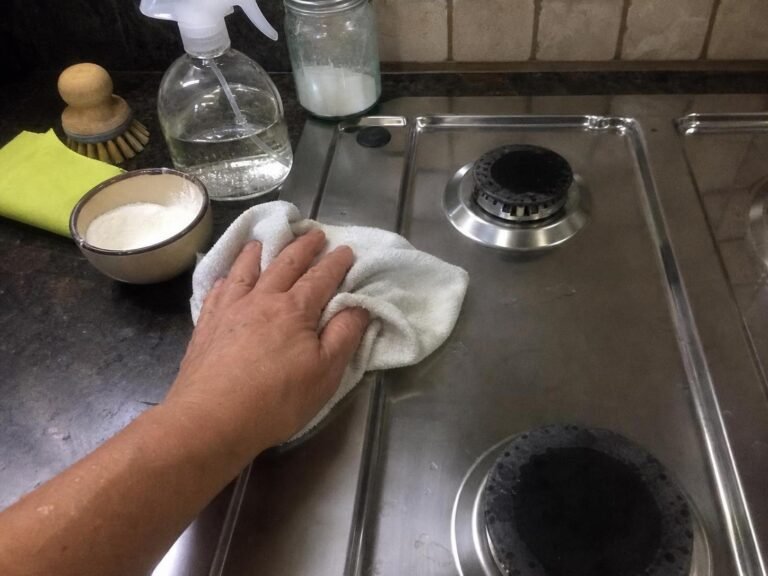
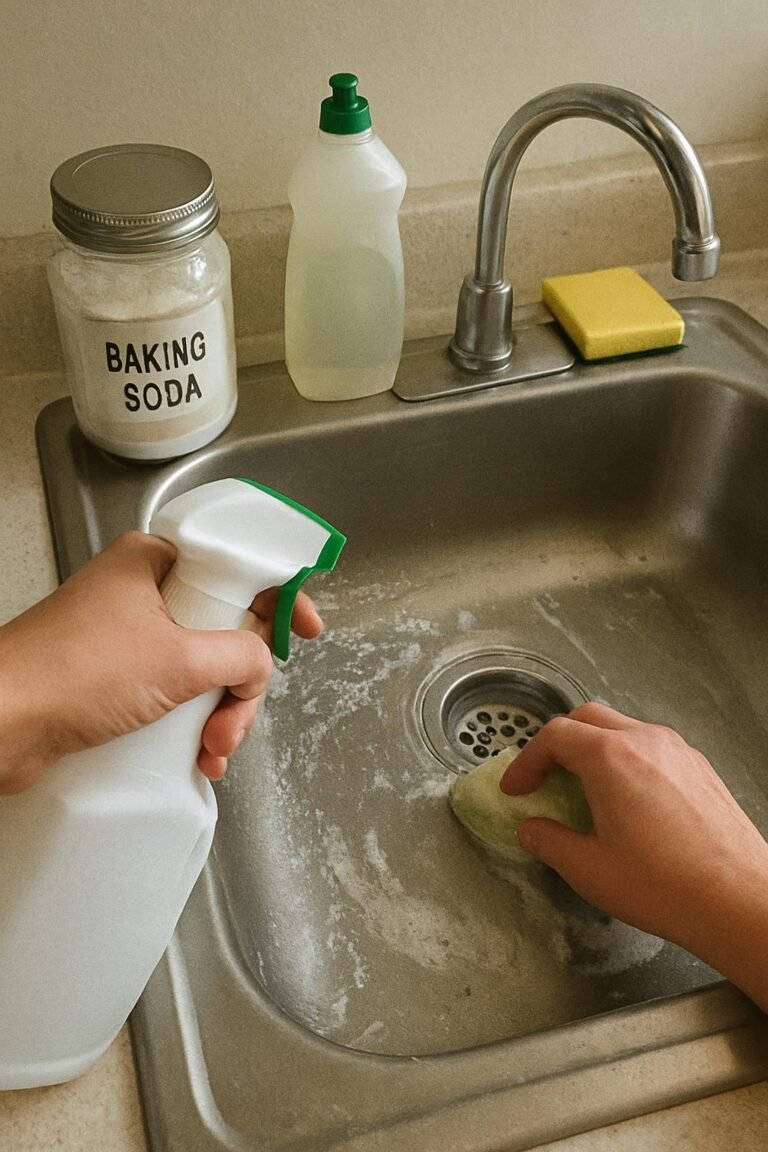
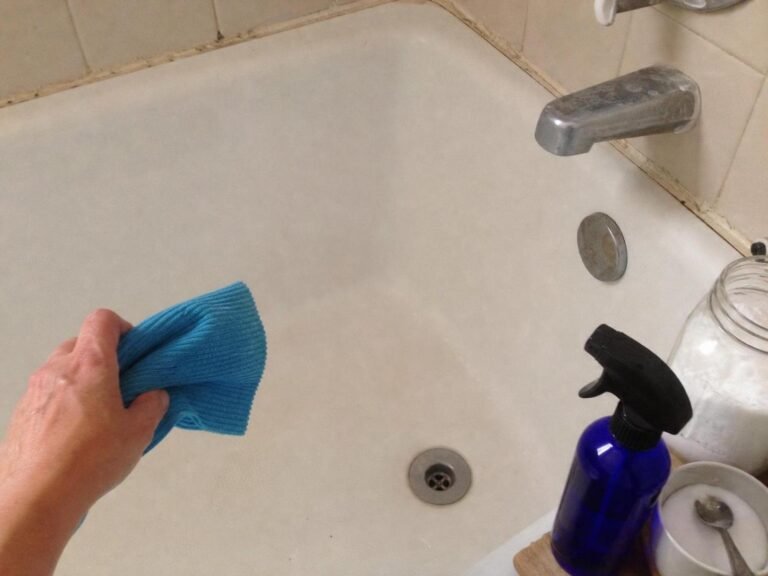
Baking soda is a mild abrasive and a deodorizer, and it’s best used dry or as a paste — not dumped into vinegar. Mix three parts baking soda with one part water until it looks like frosting. That paste handles cooked-on pans, tub rings, grimy grout lines, and stovetop splatter without the harshness of a scouring powder.
70% isopropyl alcohol
Alcohol’s advantage is that it evaporates fast, which is why it’s the right choice for anything you don’t want soaking wet. It’s the workhorse behind safe keyboard cleaning without compressed air and for wiping down remotes, light switch plates, and glossy trim. Always apply it to a cloth, never straight onto the item.
Homemade cleaning solutions, step by step
Three recipes. Small batches. Labeled bottles.
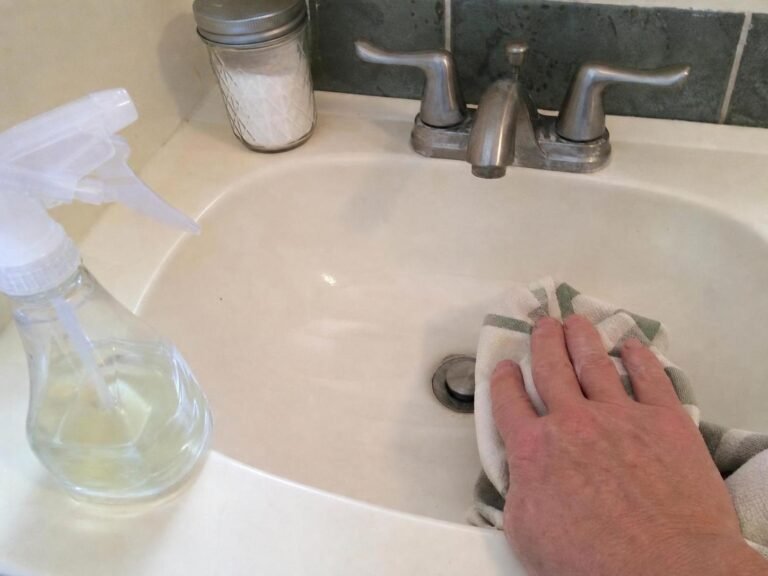
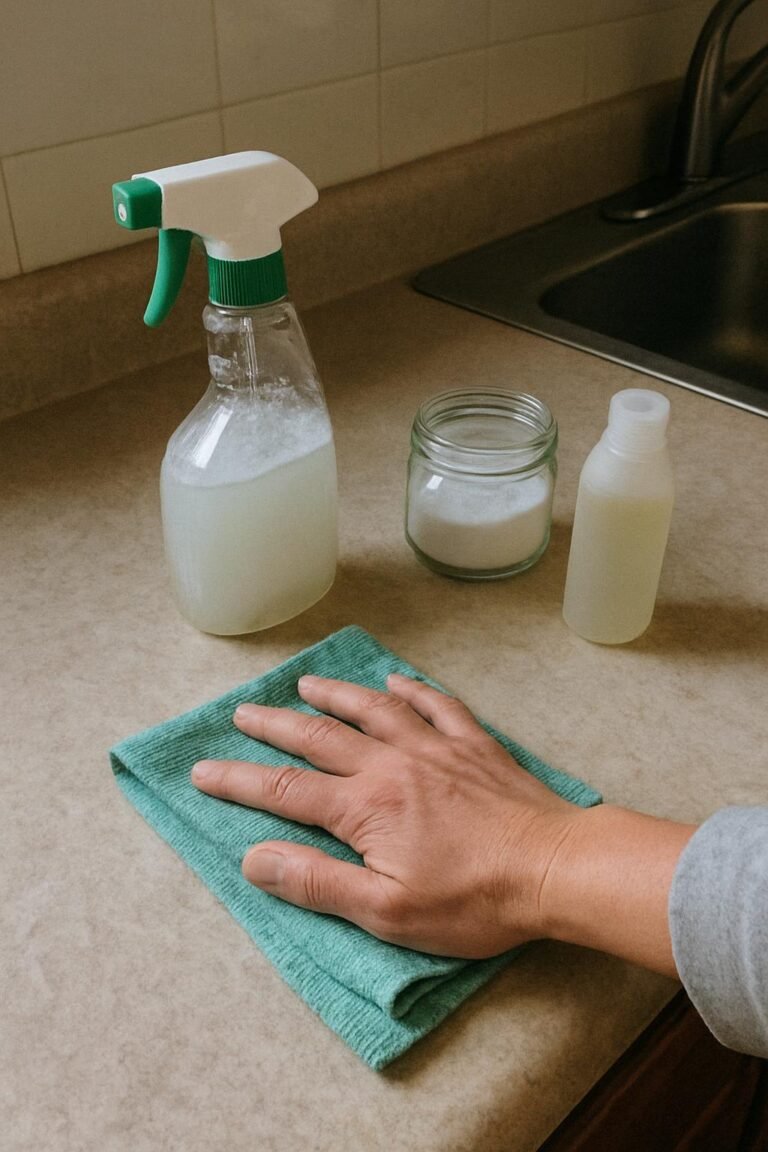
All-purpose surface spray
- Fill a clean 16 oz spray bottle with warm water.
- Add 1/4 teaspoon of dish soap. That’s it — more soap means more residue and more rinsing.
- Swirl gently instead of shaking so you don’t create a bottle full of foam.
- Spray onto a microfiber cloth, not directly onto the surface, then wipe.
- Follow with a second cloth dampened with plain water to remove any soap film.
Use it on: sealed countertops, cabinet fronts, appliance doors, baseboards, doorknobs, plastic bins.
Glass and hard-water spray
- Combine 1 cup white vinegar and 1 cup water in a spray bottle.
- Optional: add one drop of dish soap to cut greasy fingerprints on glass.
- Spray, then squeegee or buff dry with a lint-free cloth while still damp.
- Work top to bottom and out of direct sunlight so it doesn’t flash-dry into streaks.
Use it on: window glass, shower doors, chrome fixtures, mirrors, glass cooktops that are cool to the touch.
Scrubbing paste for stuck-on grime
- Mix 3 tablespoons baking soda with 1 tablespoon water in a small bowl.
- Spread it over the mess and let it sit for 10 to 15 minutes so it can soften the residue.
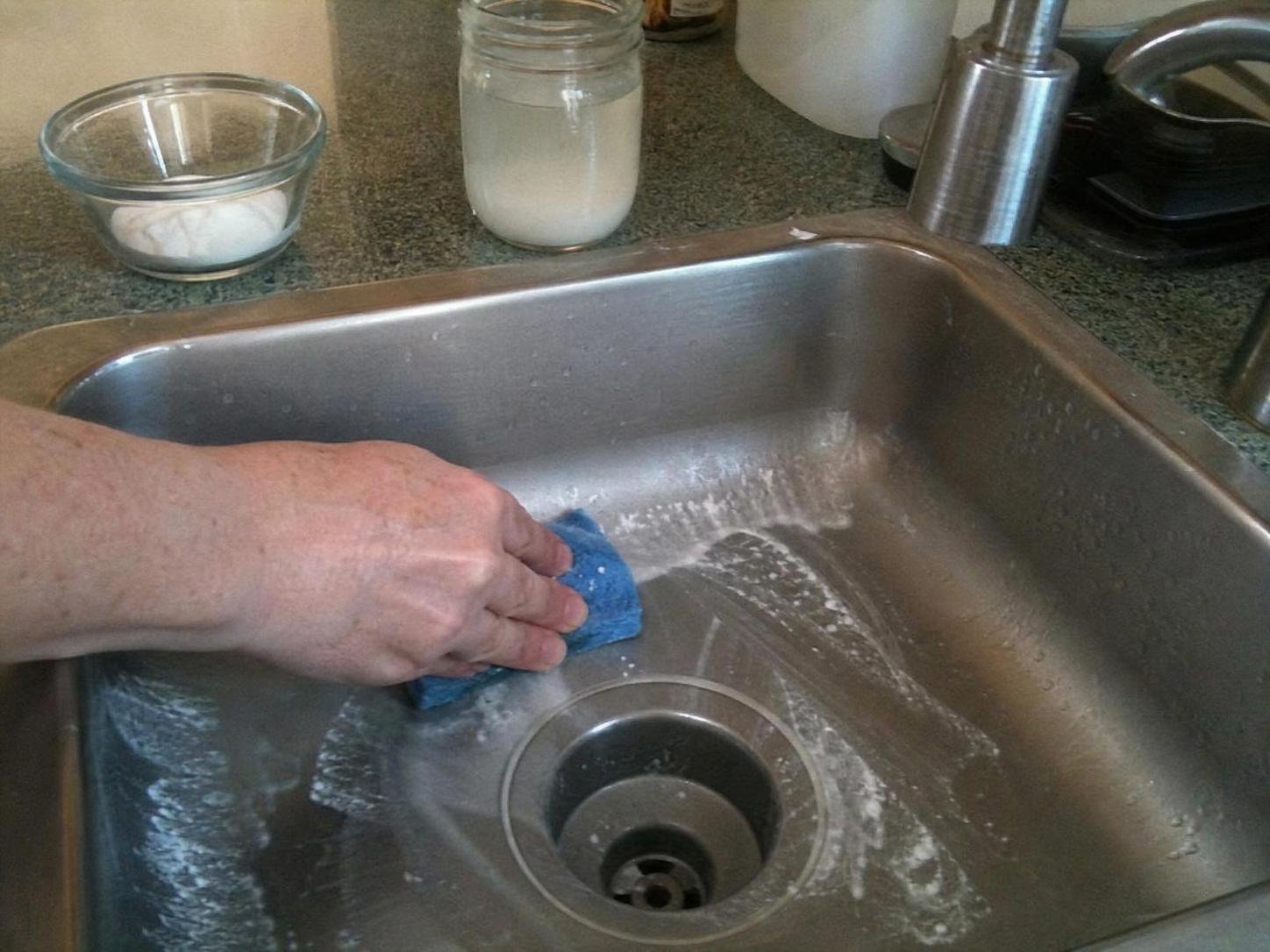
- Scrub with a non-scratch sponge or a soft brush, using light pressure.
- Rinse thoroughly. Baking soda left behind dries to a chalky white film.
- Dry the surface completely, especially on stainless steel.
Use it on: tubs, sinks, grout, oven racks, casserole dishes, plastic food containers.
Where homemade cleaners actually cause damage
This is the part most “safe DIY cleaner” lists skip. Safe for you and safe for the surface are two different questions.
- Natural stone. Marble, travertine, and limestone are calcium-based, and acid dulls and etches them. Granite is tougher but its sealer isn’t. Vinegar and lemon juice stay away from all of it.
- Waxed, oiled, or unfinished wood. Vinegar and excess water both raise grain and strip finish. Use a barely damp cloth and dry immediately.
- Cast iron and carbon steel. Soap is fine in moderation; acid and long soaks strip seasoning and invite rust.
- Aluminum pans and rubber gaskets. Acid pits aluminum and dries out the rubber seals on dishwashers, washers, and fridges.
- Electronics and screens. No vinegar, no baking soda paste, no dripping liquid. Alcohol on a cloth, applied to non-screen surfaces only, unless the manufacturer says otherwise.
- Coated or “anti-glare” glass and some screens. Alcohol can haze the coating. Check the manual first.
When in doubt, spot-test on a hidden area — inside a cabinet door, the back corner of a counter, a seam on the underside of a cushion. Wait 10 minutes and look for dulling, color change, or a sticky feel. That one habit prevents most homemade-cleaner regret.
Mistakes to avoid with DIY cleaners
Never mix bleach with vinegar, ammonia, or rubbing alcohol. This is the single hard rule. Those combinations can create hazardous gases, and no cleaning result is worth it. If you use a bleach-based product, use it alone, rinse thoroughly, and don’t layer another cleaner on top of the same surface. For general guidance on safer cleaning products, the EPA’s Safer Choice program is a reliable starting point.
A few more mistakes that quietly waste your time:
- Mixing baking soda and vinegar together in a bottle. They neutralize each other. The fizz is fun, and then you’re left with salty water. Use them in sequence, not in the same container — and never cap a bottle where they’re still reacting.
- Treating homemade mixes as disinfectants. Cleaning removes soil. Disinfecting is a labeled, tested claim with specific contact times, and a kitchen recipe can’t verify it. If disinfection matters to you, buy a registered product and follow its label.
- Overloading with essential oils. A few drops for scent is fine. Heavy amounts can leave an oily film, damage some finishes, and aren’t safe around every pet. Scent is not cleaning power.
- Using too much soap. The most common DIY error by far. Excess surfactant attracts dust and leaves floors and counters sticky.
- Reusing old commercial bottles. Leftover residue can react with what you add. Use fresh bottles, and label them clearly with contents and date.
- Soaking porous materials. Foam, mattresses, and upholstery hold moisture far longer than you think. If a pet accident is involved, a targeted approach matters more than a homemade all-purpose spray — see the method for removing dog urine odor from a mattress.
Maintenance tips that keep DIY cleaning practical
Homemade solutions work best as part of a routine, not as a rescue mission.
- Mix small, use fast. Make what you’ll use in two to four weeks. Soap-and-water mixes especially can go cloudy or funky once they sit. Vinegar and alcohol solutions keep longer, but there’s no reason to store a gallon.
- Label every bottle. Name the contents, the dilution, and the date. Unlabeled spray bottles are how people accidentally mist vinegar on marble.
- Store away from heat and out of reach. Cool, dark cabinet. Kids and pets can’t get to it. Alcohol is flammable — keep it away from the stove.
- Dedicate cloths by task. One color for kitchen, one for bath, one for glass. Wash microfiber separately without fabric softener, which coats the fibers and kills absorbency.
- Wipe dry, always. Most streaking and water spotting comes from letting a surface air-dry. Twenty extra seconds with a dry cloth is the difference between “clean” and “professionally clean.”
- Ventilate. Open a window or run the fan, even with mild ingredients. Vinegar fumes in a closed bathroom are unpleasant, and alcohol vapor shouldn’t build up.
When to skip the homemade route entirely
I’m a fan of simple mixes, but they have real limits. Reach for a commercial product when:
- The manufacturer specifies a cleaner. Sealed stone, luxury vinyl plank, some appliance finishes, and coated cookware all come with instructions for a reason, and following them protects your warranty.
- You need verified disinfection. Buy a labeled product and honor the contact time.
- The stain is protein- or odor-based and deep in foam or fibers. Enzyme-based products are built for that, which is why they matter for jobs like getting a urine stain out of a mattress topper.
- Water is the risk. Structured bags, backpacks with stiffeners, and coated fabrics often need a targeted spot-clean instead of a soak — the guidance on washing a Sprayground backpack safely walks through that tradeoff.
Warning signs to stop immediately
Stop cleaning and reassess if you see color transferring onto your cloth, a glossy surface turning cloudy, texture becoming rough or chalky, adhesive edges softening, or any bubbling or lifting at a seam. Rinse with plain water, dry the area, and let it sit. Continuing at that point turns a small blemish into a permanent one.
The honest takeaway: the safest homemade cleaning solutions are boring. Soap, water, diluted vinegar, baking soda, alcohol — used on the right surfaces, in small batches, with a spot test first. That combination handles the overwhelming majority of household messes without gambling on your countertops.
Everything Mentioned Above
Before you leave, grab the tools you need to get the job done right the first time:
*As an Amazon Associate, TidyFormula earns from qualifying purchases.